Preserve and Enhance Your Deck: Professional Deck Staining Services You Can Depend On
When it relates to preserving a deck, expert staining solutions provide a trustworthy option. These professionals grasp the complexities of different wood types and local climates, guaranteeing optimal safeguarding and beauty. By selecting skilled professionals, homeowners can circumvent common errors and preserve valuable time. However, selecting the right service can be challenging. Knowing what to identify is crucial to achieving enduring outcomes. The path to a gorgeously finished deck begins here.
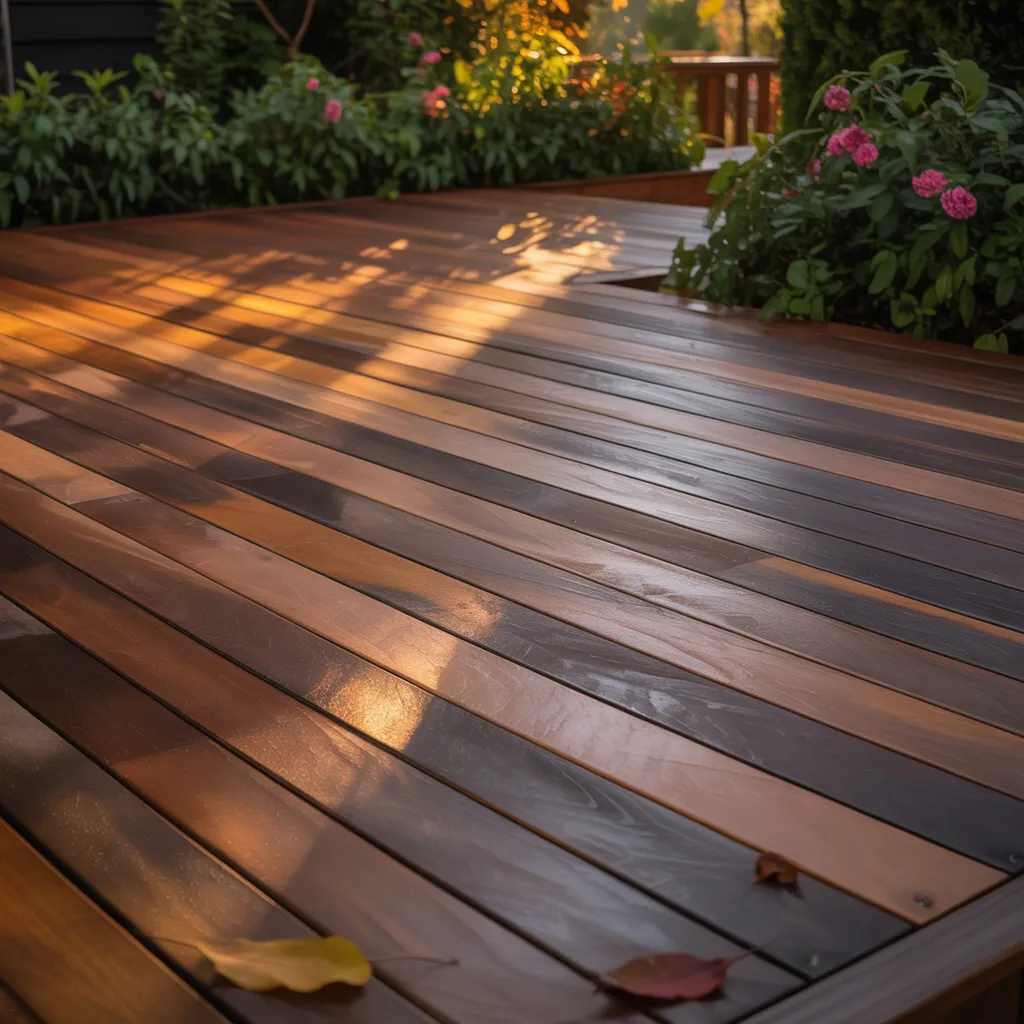
Why You Should Employ Professionals for Deck Staining
When thinking about deck staining, homeowners frequently neglect the value of hiring professionals. Engaging specialists ensures a superior finish, as they have the necessary skills and experience to manage various wood types and conditions. Professionals grasp the intricacies of choosing the right stain, considering factors like wood porosity and local climate. Additionally, they have access to professional tools and equipment that make the procedure more productive and optimal.
Additionally, experts can save homeowners valuable hours, allowing them to focus on other important tasks. They are also knowledgeable about safety procedures, reducing the risk of incidents during the staining application. By hiring professionals, homeowners can attain enduring outcomes that improve their deck's appearance and durability. Ultimately, the investment in professional services can lead to a beautifully stained deck that not only looks appealing but also provides protection against the weather for many years ahead.
Avoid These Typical Deck Staining Errors Before You Begin
Many property owners make critical mistakes when it comes to deck staining, often leading to poor results. One common error is neglecting proper surface preparation. Failing to clean the deck properly can trap grime and debris, preventing the stain from adhering well. Another error is choosing the wrong type of stain; opting for an oil-based stain on a surface that requires a water-based product can result in peeling and uneven coverage. Additionally, staining under direct sunlight is ill-advised, as it can cause the stain to dry too quickly, leading to streaks. Many overlook the importance of applying multiple thin coats instead of a single thick one, which can compromise durability. Finally, not allowing adequate drying time between coats can lead to issues with finish integrity. By avoiding these errors, homeowners can guarantee a more successful and long-lasting deck staining project.
Learning About What Occurs in Deck Staining
When evaluating deck staining, people can anticipate a thorough preparation process that involves surface cleaning to ensure ideal results. Following this, the staining process requires applying the chosen product evenly for a lasting finish. Understanding these steps can help set realistic expectations for the project.
Preparation and Surface Cleaning
corrected to avoid complications later. After cleaning, a last review is conducted to confirm that the surface is ready discussion for staining, creating the conditions for a successful application that enhances the deck's appearance and protection.
The Staining Process Summary|Staining Method Breakdown|An Explanation to the Staining Application|Tinting Method Fundamentals|Learning about the Staining Process
The wooden deck coloring procedure unfolds in a set of clear steps that guarantee a seamless and efficient application. At first, the professional team examines the deck for any flaws or areas that need fixing.|Initially, the professional team checks the deck for any defects or areas requiring repair.|Initially, the expert team inspects the deck for any damage or areas that need fixing.|Initially, the professional team reviews the deck for any damage or areas needing repair. Once the surface is confirmed to be clear and dry, they select a top-tier stain fitting for the wood type and preferred finish. The application starts with edging, followed by rolling or spraying the stain evenly across the deck boards.|Applying the stain begins with edging, followed by rolling or spraying the stain evenly over the deck boards.|Application begins with edging, then roller application or spray-coating the stain evenly across the deck boards.|Applying the stain starts with edging, followed by rolling or spraying the stain evenly over the deck boards. They carefully avoid puddling to ensure consistent coverage. After the initial coat dries, a second coat can be applied to boost protection and deepen color. Finally, the team provides guidance on drying times and maintenance, making sure the deck stays beautiful and well-protected for years to come.
Strategies for Deciding on the Most Suitable Deck Staining Service for Your Home
Finding the ideal decking stain provider can feel overwhelming, particularly with so many options available. To make an informed choice, homeowners should start by researching area businesses and review customer testimonials. A reliable service will have a portfolio showcasing their past projects, helping potential clients to determine quality and style.
Next, it's necessary to inquire into the varieties of protective finishes and stains applied, as well as the application techniques employed. This confirms that the selected company matches the homeowner's preferences for durability and aesthetics. Additionally, getting several bids can deliver understanding of expense and quality.
Finally, consider the company's background and whether they provide guarantees for their services. Selecting a service with a solid standing and clear dialogue will ultimately lead to a more enjoyable deck staining experience. By following these steps, homeowners can confidently choose a service that fulfills their needs and enhances their outdoor space.
The Perks of Applying High-Quality Stains and Sealants
Investing in premium stains and sealants can considerably enhance the durability and look of a deck. These superior products provide vital protection against moisture, UV rays, and temperature variations, which can lead to wood warping and decay over time. By forming a robust barrier, top-tier stains and sealants help to prevent mold and mildew growth, ensuring a more spotless surface that is easier to maintain.
Furthermore, premium stains often include colorants that enhance the wood's natural beauty, deepening tones and accentuating wood grain. This not only enhances the visual appeal but also increases value to the home. Superior materials typically provide superior adhesion and extended durability, reducing the frequency of reapplication. Ultimately, selecting these premium products can result in considerable cost reductions in maintenance costs while maintaining the deck's structural integrity and visual character. Opting for premium options is a wise decision for any homeowner seeking to safeguard their outdoor space.
When Should You Restain Your Deck Once More?
How often should homeowners plan for re-staining their decks? Typically, it is wise to re-stain a deck every two to three years, although different factors may influence this schedule. The wood type, climate conditions, and stain quality all play key roles in setting the necessary frequency. In regions with extreme weather conditions, like strong sun or heavy rainfall, re-staining might be needed more frequently to shield the wood from damage. Homeowners should also watch for indications of wear, such as loss of color or water absorption, indicating that the protective layer has reduced. Performing regular maintenance checks can assist in assessing these conditions, ensuring the deck stays in excellent condition. Ultimately, being proactive about re-staining can extend the deck’s lifespan and keep its appearance intact, making it a valuable investment for homeowners.
Tips for Keeping Your Newly Treated Deck Appearing Excellent
To guarantee a newly stained deck maintains its beauty and strength, homeowners should adopt a few critical care habits. Routine maintenance is vital; using a sweeper or leaf blower to clear debris avoids mold and mildew growth. A gentle wash with sudsy water can eliminate dirt without affecting the stain.
Homeowners should also avoid using strong chemical cleaners, as these can strip the finish. Instead, choosing a neutral pH cleanser will maintain the stained surface.
Moreover, placing mats at entry points minimizes dirt and moisture tracked onto the deck. This simple step can meaningfully prolong the life of the stain.
Finally, regular check-ups for signs of wear or fading enable prompt maintenance, guaranteeing the deck remains vibrant and well-protected. By adhering to these guidelines, homeowners can appreciate a stunning and resilient deck for years to come.
Frequently Asked Questions
How Much Time Does It Usually Take to Complete Deck Staining?
Staining a deck typically requires one to two days to complete, influenced by the dimensions of the deck and weather conditions. Thorough preparation and drying time are necessary for achieving ideal results and finish durability.
May I Treat My Deck After It Gets Rained On?
You should not stain a deck right after rainfall. The surface should be completely dry to guarantee correct bonding and absorption of the stain, generally needing a delay of 24 to 48 hours following rain.
What Groundwork Is Necessary Before Staining My Deck?
Before finishing a deck, one should clean it thoroughly, ensuring all dirt and debris are removed. Allow the surface to dry completely and inspect for loose boards or damage that may require repair.
Do eco-friendly staining options available?
Yes, many sustainable staining options are available, featuring water-based stains and those made from botanical oils. These products reduce damaging chemicals, rendering them better for the natural world while reliably protecting and enhancing the deck's appearance.
Will Sealing My Deck Prevent Mold and Fungal Issues?
Deck staining can substantially reduce the danger of mold and mildew by constructing a moisture-resistant layer against moisture. This barrier maintains wood dry, discouraging the growth of unwanted fungi and promoting longevity.